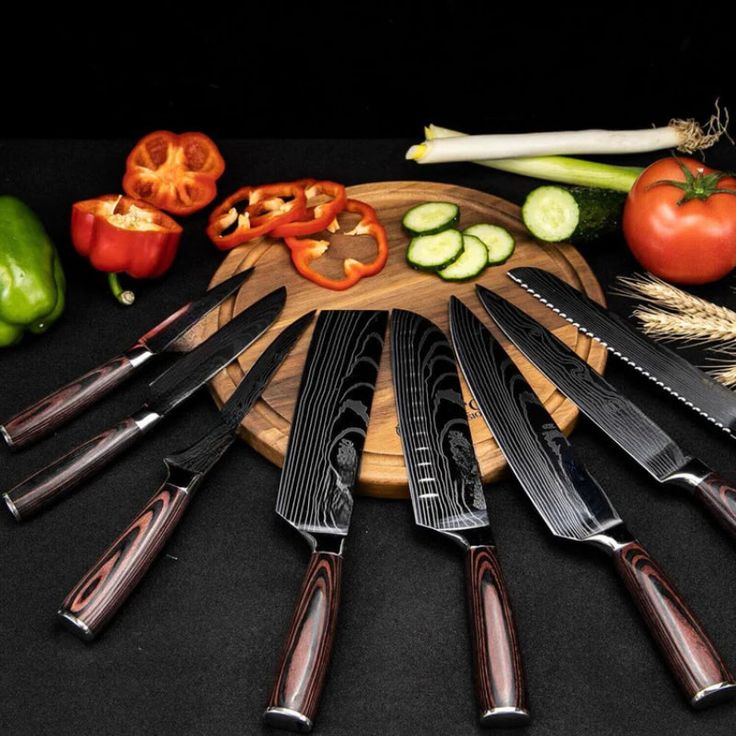
Finding the right chef’s knife as a beginner can feel overwhelming. Walk into any kitchen store or browse Amazon, and you’ll find hundreds of options ranging from $15 cheap sets to $300 professional-grade Japanese knives. The truth is, you don’t need to spend a fortune to get a quality knife that will last years. Based on extensive research from Reddit communities, professional chef reviews, and verified user feedback, we’ve compiled the five best chef’s knives for beginners that consistently deliver on sharpness, durability, and value. Whether you’re considering a budget-friendly option like the Victorinox Fibrox ($45) or exploring premium German steel like Wüsthof ($150), this guide breaks down exactly what makes each knife a solid investment.

1. VICTORINOX FIBROX 8-INCH CHEF'S KNIFE
Victorinox Fibrox is widely regarded as the best value chef’s knife for beginners. This Swiss-made blade features high-carbon stainless steel construction that holds an edge remarkably well for its price point. The textured Fibrox handle provides a secure, non-slip grip even when wet, making it safe and comfortable during extended prep sessions. Weighing just under half a pound, it strikes an ideal balance between substantial control and easy maneuverability. Professional kitchens frequently stock these knives because they deliver reliable performance without the premium price tag.
The blade geometry is designed for versatile cutting tasks – from precise vegetable dicing to breaking down whole chickens. The 8-inch length offers enough blade surface for rocking cuts while remaining manageable for smaller hands. Edge retention is impressive for a knife in this price range, typically requiring sharpening only 2-3 times per year with regular home use. The stamped construction keeps costs down without sacrificing quality, and the ergonomic design reduces hand fatigue during marathon cooking sessions.
Reasons To Buy:
- Exceptional value at $45-50 price point
- Professional-grade performance for home cooks
- Non-slip Fibrox handle stays secure when wet
- Lightweight and easy to control for beginners
- Holds sharp edge with minimal maintenance required
Reasons To Aviod:
- Plastic handle may feel less premium than wood or steel
- Stamped blade slightly less durable than forged options
- No full tang (doesn’t extend through entire handle)

2. WÜSTHOF CLASSIC 2-PIECE CHEF'S KNIFE SET
Wüsthof Classic represents German knife-making at its finest, with over 200 years of craftsmanship behind the brand. This set typically includes an 8-inch chef’s knife and a 3.5-inch paring knife, covering the two most essential cutting tasks in any kitchen. The blades are precision-forged from a single piece of high-carbon stainless steel, creating exceptional durability and balance. The full tang construction extends through the triple-riveted handle, providing superior weight distribution and control during use.
The Classic series features Wüsthof’s Precision Edge Technology (PET), which uses laser-controlled sharpening to create a blade that’s 20% sharper with twice the edge retention of previous models. The handle is contoured for comfort and made from synthetic material that resists moisture and bacteria. The blade’s gentle curve allows for smooth rocking motions when chopping herbs or mincing garlic. Weight and heft give these knives a premium feel that inspires confidence, though beginners may need time to adjust to the heavier design compared to Japanese-style knives.
Reasons To Buy:
- Premium German forged construction built to last decades
- Full tang design provides excellent balance and control
- PET sharpening technology for superior edge retention
- Two essential knives cover most kitchen cutting needs
- Comfortable synthetic handle resists bacteria and moisture
Reasons To Aviod:
- Significantly higher price point ($120-150 for set)
- Heavier weight may tire beginners during long prep
- Requires investment in proper knife maintenance tools

3. GLOBAL G-2 8-INCH CHEF'S KNIFE
Global’s G-2 revolutionized knife design when it launched, featuring an all-stainless steel construction that eliminates the traditional handle-blade junction where bacteria can hide. Made in Japan from CROMOVA 18 stainless steel, the blade contains extra chromium for superior rust resistance and vanadium for added durability. The signature dimpled handle isn’t just aesthetic – it’s filled with sand for perfect weight balance and provides surprising grip security. At just 6 ounces, this knife feels remarkably lightweight compared to German counterparts, allowing for precise, fatigue-free cutting.
The blade is ground to a sharper angle (15 degrees per side) than most Western knives, resulting in a razor-sharp edge that glides through ingredients with minimal resistance. This Japanese-style sharpness excels at delicate tasks like slicing fish or creating paper-thin vegetable cuts. The lightweight design and sharp edge combine to create an effortless cutting experience, though the thinner blade requires more careful handling to avoid chipping. The seamless construction makes cleaning simple – no crevices for food particles to hide.
Reasons To Buy:
- Ultra-lightweight design reduces hand fatigue significantly
- Razor-sharp 15-degree edge angle for precise cuts
- Seamless stainless construction prevents bacteria buildup
- Balanced weight distribution despite unconventional design
- Distinctive aesthetic stands out in any kitchen
Reasons To Aviod:
- Higher price point around $130-140
- Lightweight feel may seem less substantial to some users
- Thinner blade more prone to chipping if mishandled
- Unique handle shape requires adjustment period

4. TOJIRO DP 6.7-INCH SANTOKU KNIFE
Tojiro DP series offers professional Japanese craftsmanship at an accessible price point, making it a favorite among knife enthusiasts seeking value. This santoku-style knife features a shorter, wider blade compared to traditional chef’s knives, making it ideal for push-cutting vegetables and creating uniform slices. The blade combines VG-10 super steel core (used in premium knives costing 2-3x more) with softer stainless steel layers, creating a hard, sharp edge that’s protected by more flexible outer layers. This laminated construction provides excellent edge retention while reducing the risk of chipping.
The 6.7-inch blade length makes this knife particularly maneuverable for smaller cutting boards or cooks with smaller hands. The traditional Japanese handle design is octagonal, providing natural finger positioning and comfortable grip. Weight distribution favors the blade slightly, giving better control during precise cutting tasks. The santoku’s flatter profile excels at the up-and-down chopping motion preferred by many home cooks, though it’s less suited for the rocking cuts that work better with curved Western-style blades.
Reasons To Buy:
- VG-10 steel core provides premium edge retention
- Santoku shape ideal for precise vegetable preparation
- Compact 6.7-inch length perfect for smaller kitchens
- Excellent value for Japanese craftsmanship quality
- Laminated construction balances sharpness with durability
Reasons To Aviod:
- Shorter blade less versatile than 8-inch chef’s knives
- Flatter profile not ideal for rocking cuts
- Traditional handle may feel unfamiliar to Western users
- Requires more frequent sharpening than German steel

5. HOSHANHO 8-INCH CHEF'S KNIFE
HOSHANHO offers an entry point into Japanese-style high-carbon steel knives without the premium price tag of established brands. The blade is crafted from Japanese high-carbon steel, which can achieve and maintain a sharper edge than standard stainless steel, though it requires slightly more maintenance to prevent discoloration. The ergonomic handle features a non-slip design that provides secure grip during various cutting techniques. At this price point, HOSHANHO delivers impressive sharpness out of the box and decent edge retention for regular home cooking use.
The knife’s construction aims to replicate professional-grade features while keeping costs accessible for budget-conscious buyers. The 8-inch blade length handles most kitchen tasks effectively, from breaking down proteins to julienning vegetables. Build quality is solid for the price range, though it doesn’t match the precision manufacturing of premium brands like Wüsthof or Global. The high-carbon steel composition means the blade can develop a patina over time, which some users appreciate for its rustic appearance while others prefer the consistent look of stainless steel.
Reasons To Buy:
- Affordable entry into Japanese high-carbon steel knives
- Sharp edge suitable for most home cooking tasks
- Ergonomic handle design provides comfortable grip
- 8-inch length versatile for various cutting techniques
- Good value for beginners exploring different knife styles
Reasons To Aviod:
- High-carbon steel requires more maintenance than stainless
- Build quality doesn’t match established premium brands
- May develop patina or discoloration without proper care
- Less proven long-term durability compared to Victorinox or Wüsthof
Final Conclusion
Choosing your first quality chef’s knife doesn’t have to be complicated or expensive. If you’re working with a tight budget and want proven reliability, the Victorinox Fibrox at $45 remains the undisputed champion for beginners – it’s the knife professional kitchens trust and home cooks swear by. For those ready to invest in premium craftsmanship that will last decades, the Wüsthof Classic delivers German engineering excellence with superior balance and edge retention. If you prefer lightweight precision and Japanese sharpness, the Global G-2 offers a unique cutting experience that feels effortless in hand. The Tojiro DP Santoku provides an excellent middle ground for those curious about Japanese steel without the premium price tag, while the HOSHANHO serves as a solid budget-friendly introduction to high-carbon blades. Ultimately, any of these five knives will dramatically improve your cooking experience compared to dull, cheap alternatives. Start with one quality knife, learn proper maintenance habits, and you’ll wonder why you ever struggled with inadequate blades. Your kitchen deserves at least one tool that makes cooking enjoyable rather than frustrating.
Frequently Asked Questions
1. Do I really need to spend $40+ on a chef’s knife as a beginner?
Yes, investing in a quality chef’s knife is worth it even for beginners. A $40-50 knife like the Victorinox Fibrox will last 5-10 years with proper care, while cheap $15 knives dull within months and need constant replacement. Good knives make cooking safer (less slipping), faster (clean cuts), and more enjoyable. Think of it as buying one tool that you’ll use almost every time you cook – the cost per use becomes pennies over time.
2. What’s the difference between German and Japanese chef’s knives?
German knives (like Wüsthof) are typically heavier, more durable, and sharpened at a 20-degree angle. They’re forgiving, great for rocking cuts, and can handle tough tasks like breaking down chicken. Japanese knives (like Global or Tojiro) are lighter, sharper (15-degree angle), and excel at precise, delicate cuts. German steel is softer and easier to sharpen but dulls faster; Japanese steel is harder, holds an edge longer, but can chip if misused. For beginners, German knives are generally more forgiving.
3. How often do I need to sharpen my chef’s knife?
For home cooks using their knife 3-5 times per week, professional sharpening 2-3 times per year is typically sufficient. However, you should hone your knife with a honing steel before each use – this realigns the blade edge and maintains sharpness between actual sharpenings. Signs your knife needs sharpening include struggling to cut tomato skins, requiring more pressure than usual, or the blade feeling “sticky” rather than gliding smoothly through food.
4. Can I put my chef’s knife in the dishwasher?
Never put quality chef’s knives in the dishwasher. The harsh detergents, high heat, and jostling against other items will dull the blade rapidly, damage the handle, and potentially cause rust on carbon steel knives. Always hand wash your knife with mild soap and warm water immediately after use, dry it completely with a towel, and store it properly. This simple habit will extend your knife’s lifespan by years.
5. What’s the difference between forged and stamped knives?
Forged knives (like Wüsthof) are made from a single piece of heated steel that’s hammered into shape, creating a denser, more durable blade with a bolster (the thick junction between handle and blade). Stamped knives (like Victorinox) are cut from a flat sheet of steel and are typically lighter and less expensive. While forged knives were traditionally considered superior, modern stamped knives like the Victorinox Fibrox perform exceptionally well and many professionals prefer them for their lighter weight and easier maintenance.
6. Is an 8-inch chef’s knife too big for beginners?
An 8-inch chef’s knife is actually the ideal size for most people, including beginners. It’s long enough to handle large vegetables and proteins efficiently but not so large that it feels unwieldy. If you have smaller hands or a compact kitchen, a 6-7 inch santoku (like the Tojiro) might feel more comfortable initially. Avoid knives shorter than 6 inches or longer than 10 inches for your primary chef’s knife – the 8-inch length offers the best versatility for everyday cooking tasks.
7. What’s more important: the knife or learning proper technique?
Both matter, but technique is ultimately more important. A skilled cook with a $40 Victorinox will outperform a beginner with a $200 premium knife. That said, a quality knife makes learning proper technique easier and safer because it responds predictably and cuts cleanly. Invest in a good knife, then spend time learning basic knife skills through YouTube tutorials or cooking classes. The combination of quality tools and proper technique will transform your cooking experience.
8. Should I buy a knife set or just one good chef’s knife?
Buy one quality chef’s knife rather than a cheap set. Most knife sets include 8-12 knives, but you’ll realistically only use 2-3 of them regularly. A good 8-inch chef’s knife handles 90% of kitchen cutting tasks. If you want to expand later, add a paring knife ($10-20) for small, detailed work and a serrated bread knife. Three quality knives will serve you far better than a 12-piece set of mediocre blades gathering dust in a block.
9. How do I know when my knife is sharp enough?
The “tomato test” is the easiest way to check sharpness: a sharp knife should slice through a ripe tomato’s skin with almost no pressure, using just the weight of the blade. Another test is the “paper test” – hold a piece of paper vertically and try to slice through it; a sharp knife will cut cleanly without tearing. If your knife fails these tests, it needs sharpening. A properly sharp knife should feel like it’s gliding through ingredients rather than requiring you to push or saw.
10. What’s the best way to store my chef’s knife?
Never store knives loose in a drawer where they bang against other utensils – this dulls the blade and is dangerous when reaching in. Best options include: a magnetic knife strip mounted on the wall (great visibility and accessibility), a knife block with individual slots, or blade guards if you must use a drawer. Always store knives with the blade protected and pointing away from where you’ll reach. Proper storage prevents dulling, protects the blade edge, and keeps you safe in the kitchen.